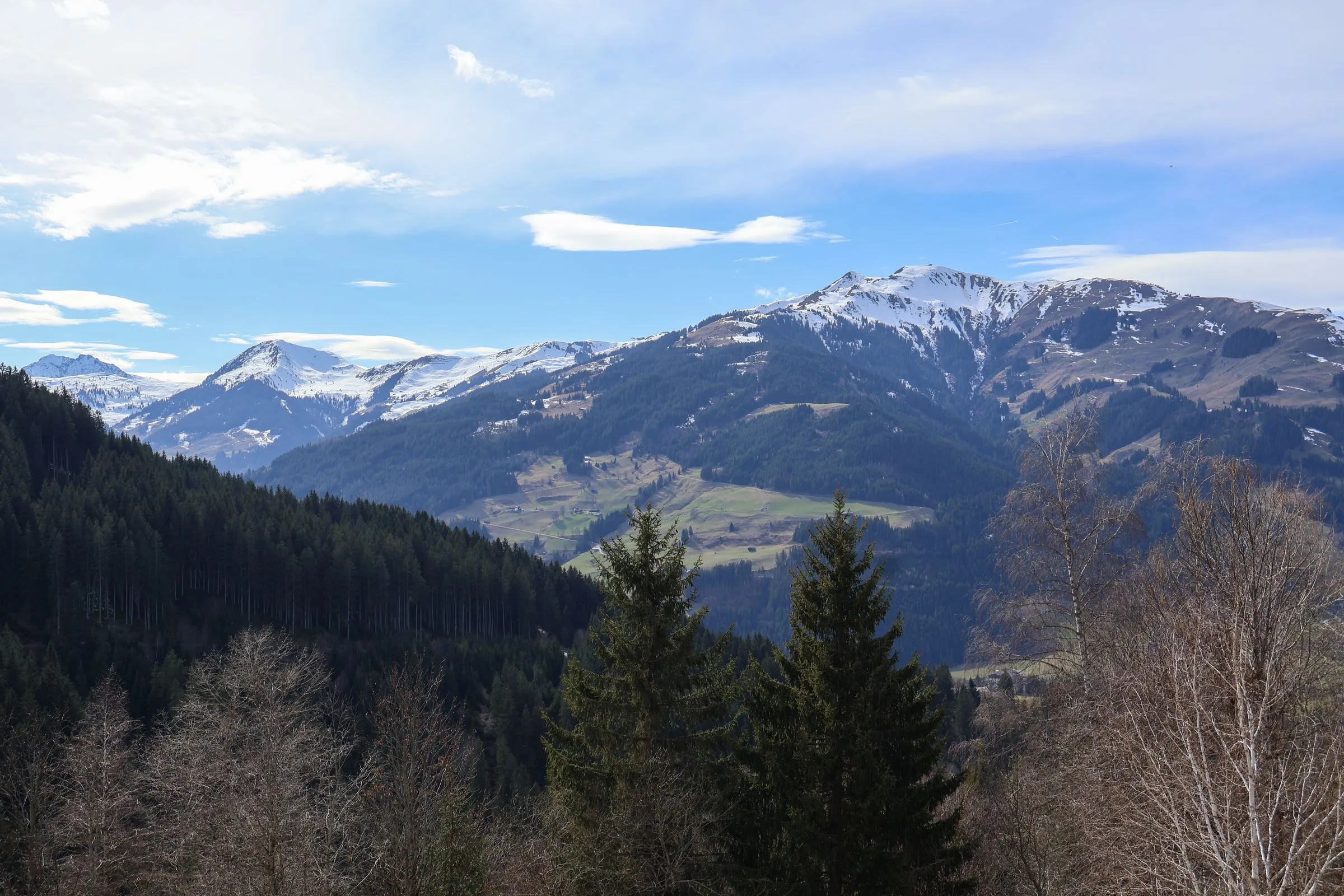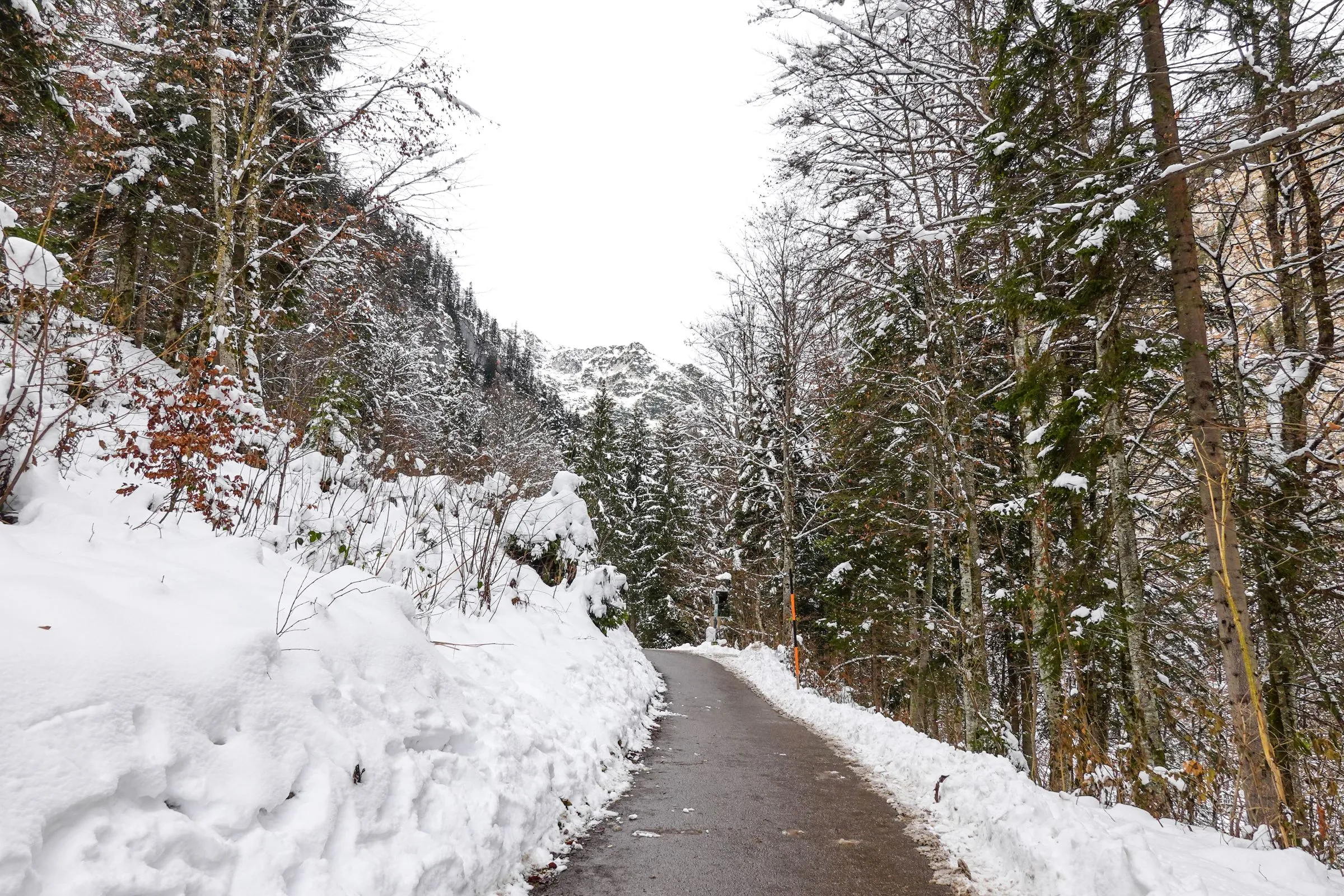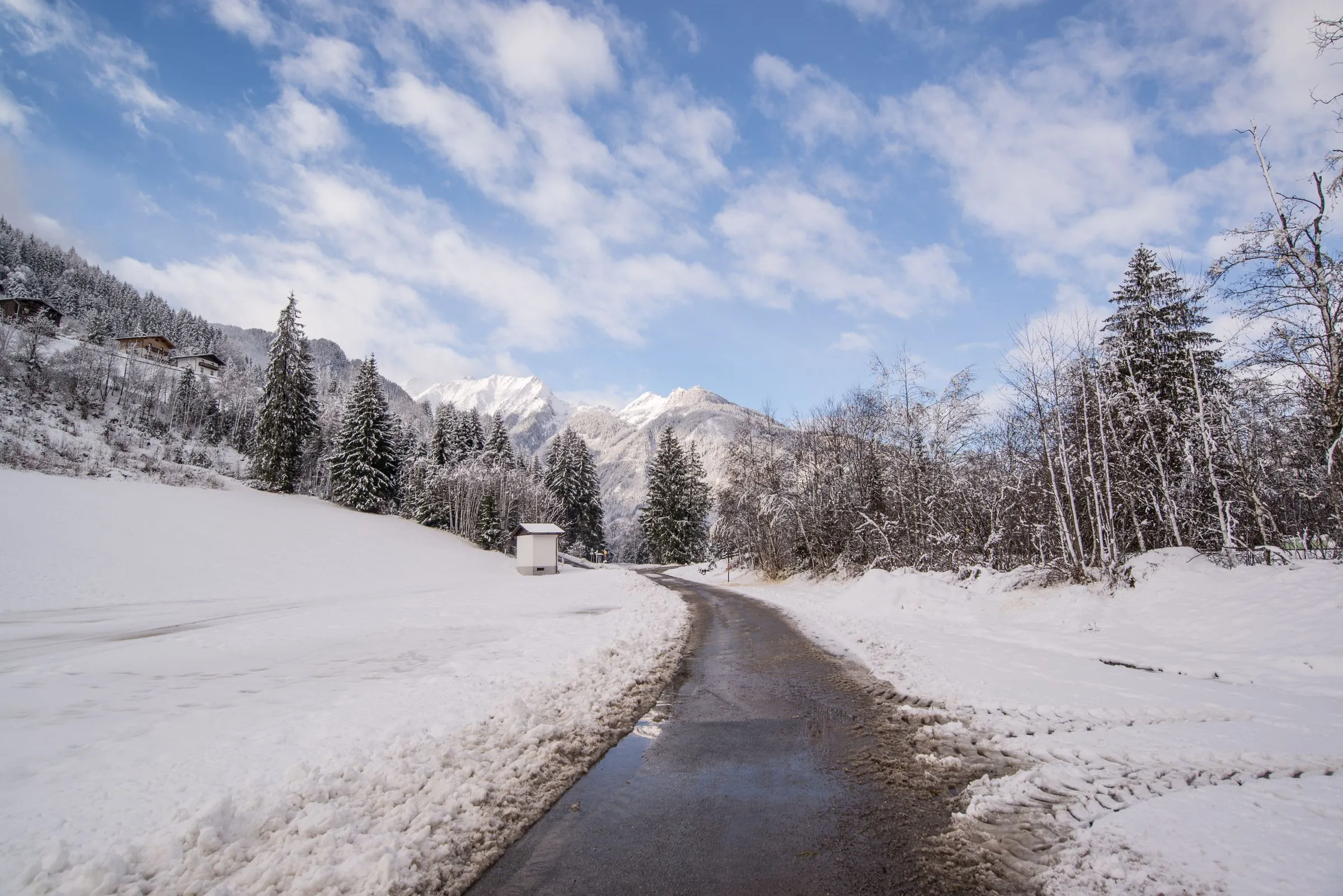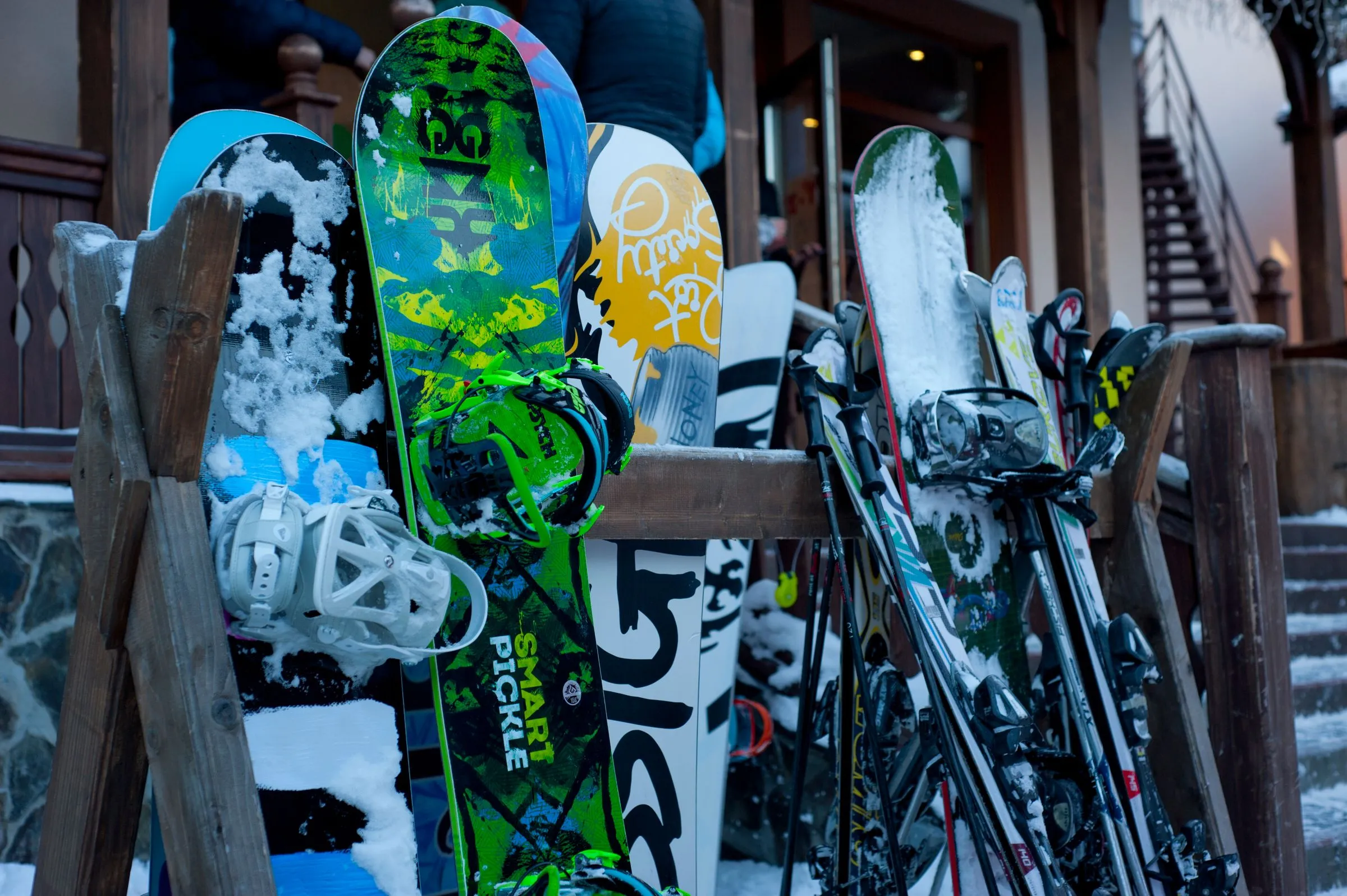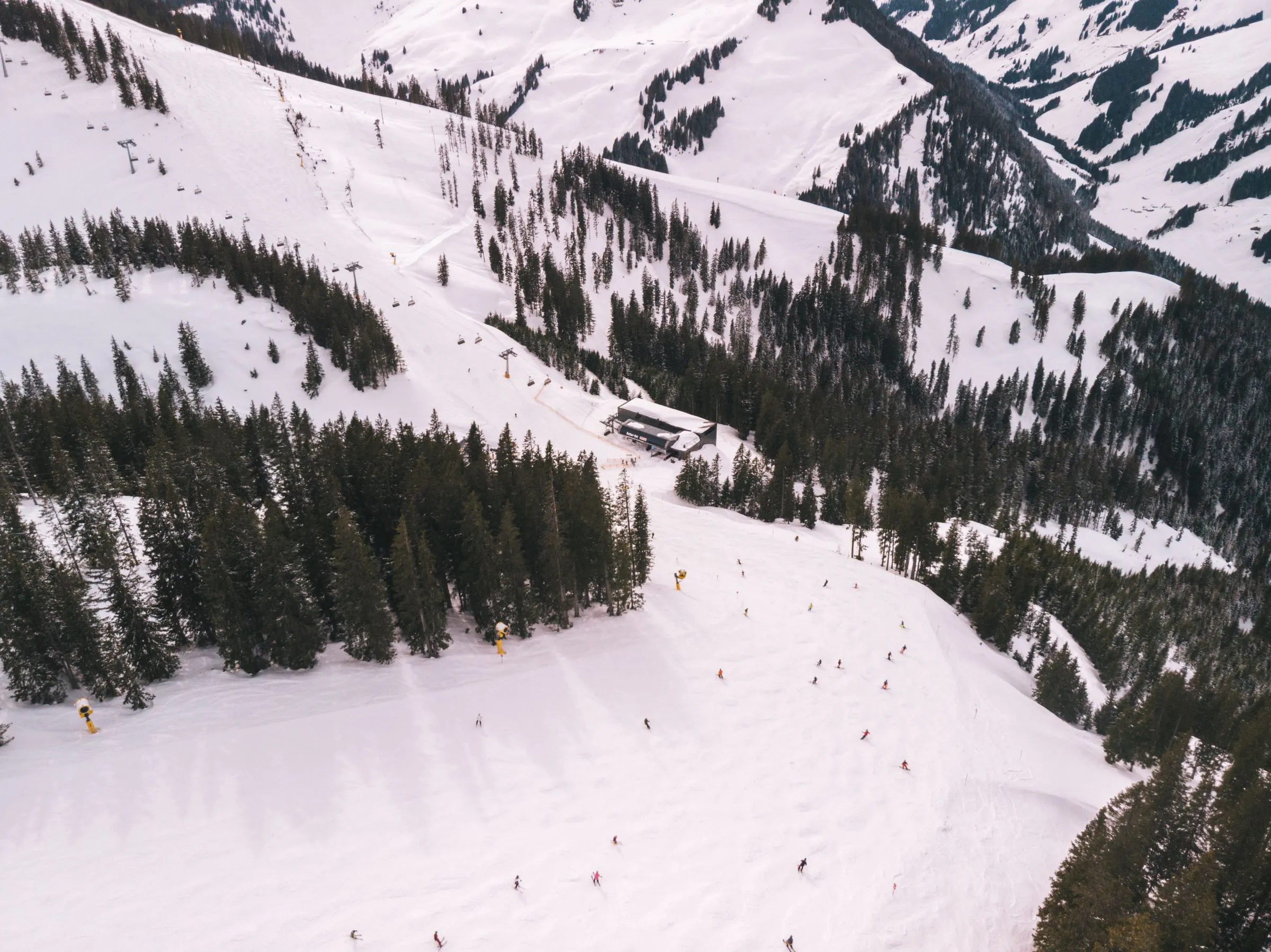
Yes, Kitzbühel is a good ski resort, and a very good one for confident intermediates who also want a lively old town to come back to. It is less suited to beginners who want a nursery slope outside the hotel door, and to experts hunting high-alpine steeps, because most of the terrain is wooded, mid-altitude red and blue runs. Think of it as a red-run resort with one very famous black on top.
KitzSki is the name of the ski area run by the Bergbahn AG Kitzbühel, and it covers much more than the slopes you see from the old town. It stretches from Kirchberg in the north to Pass Thurn in the south, plus a separate mountain on the other side of town. That spread is its biggest strength and the source of most first-day confusion.
This guide explains the layout, who it suits and where each practical question gets answered in more detail. It is part of our Kitzbühel guide, and every section ends in a link to the page that goes deeper. We are an independent site, not KitzSki, so for live numbers we send you to their pages.
Is Kitzbühel a good ski resort?
Yes, for confident intermediates; less so for nervous beginners and high-alpine experts.
The bulk of the skiing is long, wooded red and blue runs between roughly mid-mountain and the ridge tops. You can ski from Kitzbühel to Pass Thurn and back in a day, eat well at the huts on the way, and finish in a town with real streets rather than a purpose-built strip. That combination is rare and it is why people come back.
Our view: Kitzbühel is a red-run resort with a famous black on top. The Streif gives it the name, but most visitors spend their week cruising the Ehrenbachhöhe, Pengelstein and Resterhöhe pistes, and that is the right way to use it.
Who it is not for:
- Experts who mainly want steep off-piste. There are marked ski routes and a touring area at the Bichlalm, but no glacier and little high-alpine terrain. If that is your priority, read our comparison of Kitzbühel or St Anton first.
- Anyone who needs guaranteed snow in the village. The town sits low, and the runs back to it depend on snowmaking and the weather.
- Groups where half the party won’t ski at all. They will still have plenty to do, and we keep ideas for non-skiers on a separate page, but be honest about who is coming before you book a ski-focused week.
How the ski area fits together
The short version: two mountains reached from town, and a long linked ridge running south from one of them.
KitzSki’s own figures are 233 km of runs and 57 cable cars and lifts (kitzski.at, as of November 2026). Other sites quote different totals depending on what they count, so treat any single number as approximate and use the official piste map to plan.
Hahnenkamm, Ehrenbachhöhe and Pengelstein
This is the main area and where most people start. The A1 Hahnenkammbahn gondola leaves from the edge of town, and from the top you ski across to the Ehrenbachhöhe and on to Pengelstein, with runs dropping down to Kirchberg on the far side. The Fleckalmbahn and the Pengelstein lift are the Kirchberg-side ways in.
From Pengelstein, the 3S cable car crosses to the Jochberg side, which is what makes a full tour of the area possible (Kitzbühel Tourismus).
Resterhöhe and Pass Thurn
The southern end, beyond Jochberg, is the outermost edge of the ski area and higher than the slopes above town. It is where KitzSki opens first in the autumn, and the official tourism site points to the views towards the Hohe Tauern and a large snow park (Kitzbühel Tourismus). Skiing all the way here from town and back is a classic intermediate day out. Start early: the return is long, and missing the last connecting lift means a bus ride home.
Kitzbüheler Horn
The Horn is across town on the east side, reached by the H1 Hornbahn about 10 minutes’ walk from the centre. It is not linked to the Hahnenkamm by any piste or lift, so you get between them through the valley (Kitzbühel Tourismus). It is smaller and calmer, with a family park and wide runs that suit mixed groups, and it still runs from easy slopes to red and black runs. Snowboarders like it for its few drag lifts.
| Sector | Lift from town or village | Best for |
|---|---|---|
| Hahnenkamm, Ehrenbachhöhe, Pengelstein | A1 Hahnenkammbahn (Kitzbühel), B1 Fleckalmbahn or D1 Pengelstein I (Kirchberg) | Intermediates, the Streif, big days touring the area |
| Jochberg | F1 Wagstättbahn (Jochberg), or the 3S cable car from Pengelstein | Quieter runs, a base south of town |
| Resterhöhe and Pass Thurn | G1 Resterhöhe chairlift, G8/G9 Panoramabahn | Early-season skiing, views, snow park |
| Kitzbüheler Horn | H1 Hornbahn (Kitzbühel) | Families, mixed groups, calmer days |
The smaller corners
Three extra pieces round out the area. The Bichlalm, east of town, is a natural-snow area aimed at ski tourers and winter walkers rather than piste skiers. The Gaisberg in Kirchberg is a standalone hill used for tobogganing and evening ski touring. And for freestyle, the Hanglalm park at the Resterhöhe end is the biggest snow park, while the park on the Horn has smaller features for beginners and children (Kitzbühel Tourismus).
Strong skiers who want something off the groomed runs have marked ski routes: signposted and checked for avalanches but not groomed, and all inside the ski area boundary. Real off-piste needs a guide and the right kit, as anywhere in the Alps.
What a big day looks like
The classic day for a confident intermediate starts at the Hahnenkammbahn, crosses the Ehrenbachhöhe to Pengelstein, takes the 3S cable car over to Jochberg and carries on to the Resterhöhe for lunch with the Hohe Tauern in view, then retraces the route. It is a full day with breaks, and it only works once the whole link is open (see the season dates below).
For more mileage still, the KitzSkiWelt Tour links KitzSki with the neighbouring SkiWelt. KitzSki describes it as an 88 km circuit you can start from Kitzbühel, Kirchberg, Jochberg, Pass Thurn and other villages, and sells a dedicated day ticket for it (kitzski.at, as of November 2026). It is for fit, fast skiers who start at first lift.
Lunch is part of the appeal. Kitzbühel Tourismus counts more than 40 huts and mountain restaurants across the area, and points mixed groups to the Sonnenrast at the top of the Fleckalmbahn as an easy meeting place. Book a table at the well-known huts in peak weeks. Our guide to where to stop for lunch while skiing sorts them by mountain.
The Streif and the Hahnenkamm race
The Streif is the downhill course of the Hahnenkamm race, and the start house sits right by the top station of the Hahnenkammbahn. The race course appears on KitzSki’s piste map as its own run, and a separate Streif family run follows it in several places with views of the Mausefalle, the Hausbergkante and the finish jump (Kitzbühel Tourismus). Expect icy, steep pitches if you take the real course, and closures around race preparation. If you want to watch the pros instead, our guide to the Hahnenkamm race covers tickets, viewing spots and crowds. Without snow, the Hahnenkamm becomes hiking country, one of several reasons to see Kitzbühel in summer.
Snow and when to go
The direct answer: the high end opens very early, but the whole area needs mid-winter cold to be at its best.
KitzSki usually starts the season at the Resterkogel, at the Pass Thurn end, weeks before the main mountains run daily, using snow stored over the summer. That early skiing is limited to a few runs. The full link from the Hahnenkamm to the Resterhöhe opens later, and the runs back to town are the first to suffer in a mild spell. For the current opening and closing schedule, read our page on early-season skiing, which tracks KitzSki’s dates.
For the best chance of good cover across the whole area, mid-January to early March is the usual sweet spot. That is a pattern, not a promise; a warm winter can thin out the lower runs at any time. KitzSki leans heavily on snowmaking to cover for that: it says it runs more than 1,260 snow generators fed by ten storage lakes, and for 2026/27 it offers a snow guarantee on Premium-season passes bought online by 19 December 2026, refunding days lost to a lack of snow (kitzski.at, as of November 2026, in German). Our guide to winter in Kitzbühel covers what else is on during those weeks.
Lift passes in one paragraph
One KitzSki pass covers the Hahnenkamm, Pengelstein, Jochberg, Pass Thurn and Resterhöhe, and the Kitzbüheler Horn. Prices change with three season bands and with age, and there are regional passes such as the SuperSkiCard if you want to add SkiWelt or other areas. We keep the dated price table and our recommendation on the KitzSki pass page. Short version: most people skiing a week from town only need the KitzSki pass.
Learning, lessons and rental
Beginners can learn here, with conditions. KitzSki says all practice lifts in the valley are free to use (kitzski.at, as of November 2026), and Kitzbühel’s practice areas at Mocking, Rasmusleiten and Ministreif sit next to the Hahnenkammbahn. After that, you take a lift up to the easy runs. Our page on beginner slopes and ski schools has a week-one plan.
For equipment, rent next to the lift you will start from and book ahead in peak weeks. Several shops sit at valley stations and offer overnight ski depots, which saves carrying skis through town. Our guide on where to rent skis is organised by starting point.
Where to stay for skiing
Stay close to the lift you will use most; “central” is not enough.
The town centre works well for the Hahnenkamm, since the Hahnenkammbahn is under 10 minutes’ walk away, and the Hornbahn is about the same distance on the other side. Kirchberg puts you at the Fleckalmbahn and Pengelstein lifts, with a village feel rather than a town one. Jochberg is the quiet choice for the southern end, with the Wagstättbahn in the village centre. Our guide to the best areas to stay compares them.
You don’t need a car. Ski buses link the valley stations and nearby villages, and Kitzbühel Tourismus says that with a valid ski pass or guest card, selected bus and train services are free (Kitzbühel Tourismus). KitzSki adds that a valid KitzSki ticket lets you ride the ÖBB train in ski clothing between St. Johann in Tirol, Kitzbühel Hahnenkamm and Westendorf (kitzski.at, as of November 2026). See getting around without a car for lines and timings, and transfers from Munich for the airport leg. If you’re staying in Munich, Salzburg or Innsbruck and only want one day on the Hahnenkamm, a private day trip with skiing explains how the day works and what to check.
Plan your trip
Where to stay
Compare hotels and apartments in the town centre, near the Hahnenkamm lift or in quieter Reith and Kirchberg.
Ski rental
Reserve skis and boots before you arrive and pick them up near the lift.
Airport transfer
Shared and private transfers from Munich, Salzburg and Innsbruck airports, door to door.
Some links are affiliate links. If you book through them we may earn a commission at no extra cost to you. How this works.
After the lifts close
Kitzbühel’s après-ski runs from loud bars at the bottom of the Hahnenkamm to quiet wine bars in the old town. Our guide to where to go after the lifts close sorts them by mood.
Beyond KitzSki
The SkiWelt, St Johann and other areas are within a short bus or train ride, and a regional pass makes day trips easy. Our list of other ski areas within reach compares them, and the KitzSkiWelt Tour links KitzSki with the SkiWelt in a single circuit for strong skiers.
Which page to open next
If you can link turns on red runs, book the pass, rent near the Hahnenkammbahn or the Fleckalmbahn, and spend at least one day skiing to Pass Thurn and back. If you are new to skiing, start with the beginners page and book lessons before anything else. If you are still deciding between resorts, the St Anton comparison will settle it. And if you are only now pulling the trip together, our planning basics page puts the steps in order.