Kitzbühel's old town is compact and walkable, and in winter the ski buses linking the lift stations and neighbouring villages are included in KitzSki lift passes. Parking at the Hahnenkamm gondola is paid, while the car parks at most other valley stations are free for lift users. Most visitors staying in town don't need a car; you only want one for day trips or a base outside the valley.
Once you’ve arrived, Kitzbühel is an easy place to get around without a car. The old town is small, two lift valley stations are within walking distance, and in winter your lift pass covers the ski buses.
This page covers the town itself: walking, the ski bus, regional buses and trains, parking by lift, and summer trips to the lake. For the journey here, see our travel logistics hub.
Do you need a car in Kitzbühel?
No, if you’re staying in or near the centre. Yes, if you plan several day trips or you’re staying somewhere remote.
A town-centre base puts the Hahnenkamm gondola, the Hornbahn, the restaurants and the station all within walking distance, and the ski buses handle the rest of the ski area. A car earns its keep if you’re staying in a farmhouse up a side valley, want to ski other resorts, or plan to visit Salzburg and the lakes. If you haven’t booked yet, the area you choose decides this question, so read our guide to choosing a base first.
If you’re arriving by hire car anyway, see the Munich Airport route for the vignette and winter-tyre rules.
On foot in town
The centre is compact enough that you’ll walk almost everywhere.
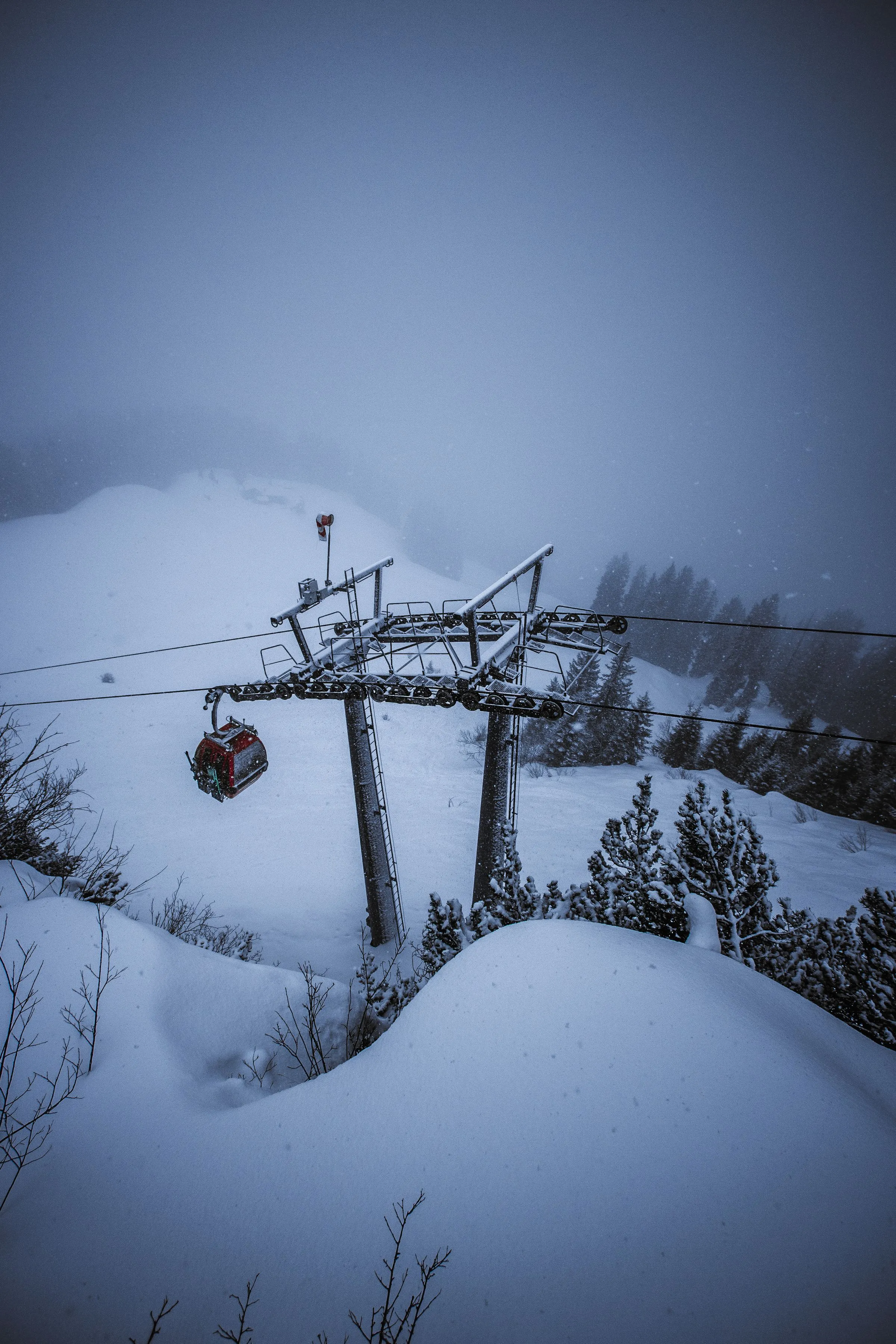
The Hahnenkamm gondola is at the edge of the old town, next to Kitzbühel Hahnenkamm station. Kitzbühel Tourismus puts the Hornbahn, the lift up the Kitzbüheler Horn, about a 10-minute walk from the centre (source). The main Kitzbühel station is about 10 minutes from the centre too (source).
Walking in ski boots with skis on your shoulder is another matter. If your hotel is more than a few minutes from a lift, use the bus, or ask whether your hotel has ski storage near the lift.
The ski bus (winter)
Kitzbühel runs a large ski bus network between the valley stations and surrounding villages, and your lift pass covers it.
Who rides free
Kitzbühel Tourismus says use of the ski buses is included in the ski passes in winter (KitzCard page). KitzSki’s own wording is “with winter skiing equipment” (KitzSki), so carry your skis or board. The Ringbus, which serves the Hahnenkamm area and stops near the Hornbahn, is listed as free (Kitzbühel Tourismus, as of November 2026).
Pass holders can also ride the Streifzug, ÖBB trains between St. Johann in Tirol, Kitzbühel Hahnenkamm and Westendorf. Last winter it ran from 29 November 2025 to 6 April 2026, 8:00 to 18:00; the 2026/27 dates weren’t published when we checked, so confirm them on KitzSki. For prices and pass types, see our page on lift pass prices.
Routes and villages covered
According to Kitzbühel Tourismus, lines 4010 and 850 link the Hahnenkamm area with Aurach, Jochberg and the Pass Thurn lifts (F1 Wagstättbahn, G1 Resterhöhe and the G9 Panoramabahn mid-station). Line 4002 runs to the H11 Bichlalm chairlift, line 861 to the E1 Gaisberg lift in Kirchberg, and in peak season a bus serves the lifts at Reith. A short free shuttle connects Pengelstein and KI-West on the SkiWelt side (source).
Where to get the current timetable
Use the live timetable on KitzSki or VVT’s journey planner at vvt.at. We don’t copy times here because they change each season.
Regional buses and trains
For neighbouring villages, the VVT regional buses and the railway do the job.
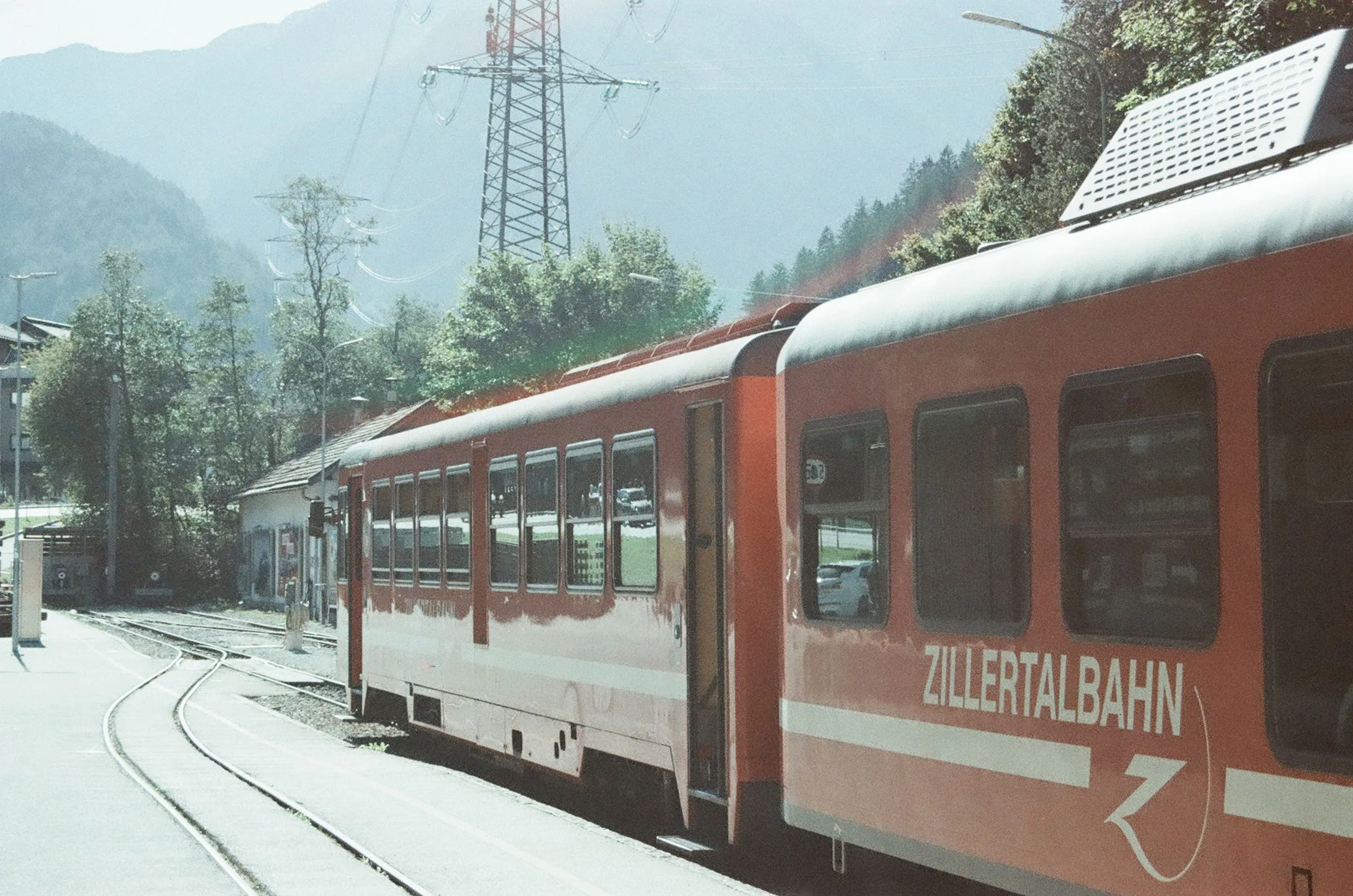
Kitzbühel has three stations on the ÖBB line between Wörgl and Saalfelden: Kitzbühel, Kitzbühel Hahnenkamm and Schwarzsee. Trains link them with Kirchberg, St. Johann in Tirol and the rest of the valley, and regional buses fill the gaps (Kitzbühel Tourismus). Plan any trip on ÖBB Scotty or VVT, which share timetables.
One thing to know before summer: Kitzbühel’s guest card, the KitzCard, does not include buses or trains. Its official page says public transport is not included “at present” (KitzCard).
Parking
Parking at the Hahnenkamm gondola is paid; at most other valley stations it’s free for lift users.
| Car park | Near | Paid or free for lift users | Source |
|---|---|---|---|
| Hahnenkammbahn | Old town, Hahnenkamm gondola | Paid | kitzbuehel.com |
| H1 Hornbahn I | Kitzbüheler Horn | Free for lift users | kitzbuehel.com |
| H11 Bichlalm | Bichlalm, valley and mid-station | Free for lift users | kitzbuehel.com |
| F1 Wagstättbahn | Jochberg | Free for lift users | kitzbuehel.com |
| G1 Resterhöhe and G9 Panoramabahn | Pass Thurn | Free for lift users | kitzbuehel.com |
| E1 Gaisberg | Kirchberg | Free for lift users | kitzbuehel.com |
| Lifts at Reith | Reith | Free for lift users | kitzbuehel.com |
We don’t list parking tariffs because we couldn’t find current official figures. Check the signs on arrival.
Our advice: if you’re driving in for the day, park at the Hornbahn, Jochberg or Pass Thurn and ski over, rather than paying at the Hahnenkamm. On the Hahnenkamm race weekend in January, expect closures and crowds around the finish area, so leave the car at the hotel and walk.
In summer: reaching the Schwarzsee and trailheads
In summer you’ll walk, cycle or take the train.
The Schwarzsee has its own station on the ÖBB line, which the tourist office describes as right by the lake (source). Not every train stops there, so check Scotty. It’s also an easy walk or bike ride out of town on a dry day.
For the mountains, the Hahnenkamm gondola and the Hornbahn start your hikes from town. The KitzCard includes one free return trip per person per day on the summer cable cars in May, June, September and October (KitzCard, as of November 2026). For routes once you’re up there, see the best hikes.
Taxis and e-bikes
Taxis can be booked through your hotel or reception; they’re the answer for a late return from a hut or a trip with luggage. We don’t list numbers because they change.
E-bikes are a good fit for summer, when the valley’s distances are short but the climbs aren’t. They make the Schwarzsee and the lower trailheads easy without a car.
What it costs
Getting around Kitzbühel itself costs little if you have a lift pass in winter, since the ski bus is included. The costs that add up are paid parking at the Hahnenkamm, taxis, a hire car you barely use, and bus or train fares in summer, when the guest card doesn’t cover them. For the bigger picture of a trip’s budget, read what a trip costs.
Plan your trip
Car rental
Useful for day trips and mountain roads. In winter, ask for a car fitted with winter tyres.
Where to stay
Compare hotels and apartments in the town centre, near the Hahnenkamm lift or in quieter Reith and Kirchberg.
Some links are affiliate links. If you book through them we may earn a commission at no extra cost to you. How this works.
Car-free or not?
For a town-centre stay, car-free is realistic in both seasons: walk, ride the ski bus with your pass, and use the train for the lake and neighbouring villages. Rent a car only for the days you’ll leave the valley.
The next step is choosing where to stay, because a base near the Hahnenkamm or the Hornbahn makes the whole question easy. Then plan everything else to do in Kitzbühel.